©

Rivieralp Protection Dog Philippe Pierini

Pastoralism and good habits

Pastoralism and good habits

Ajouter aux favoris

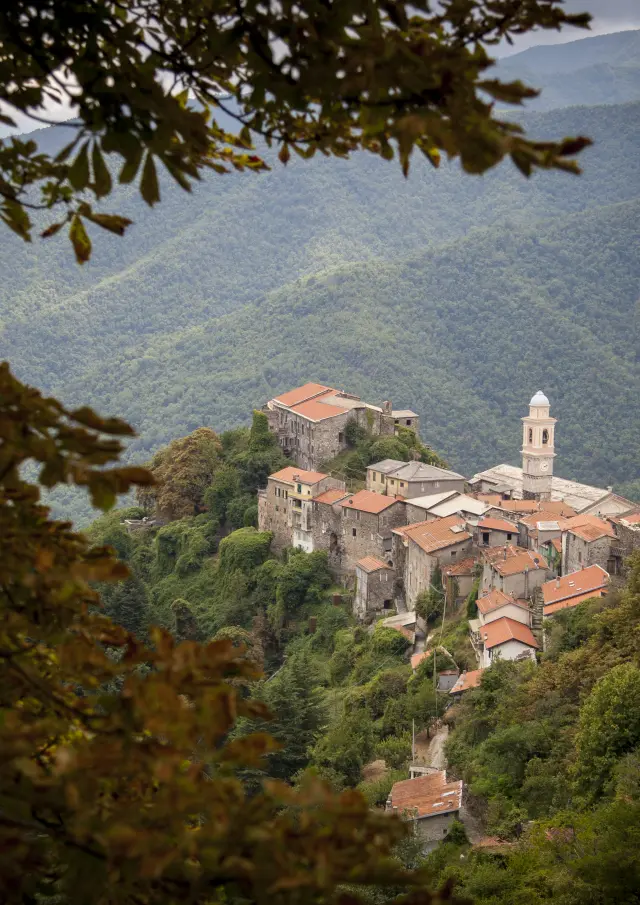
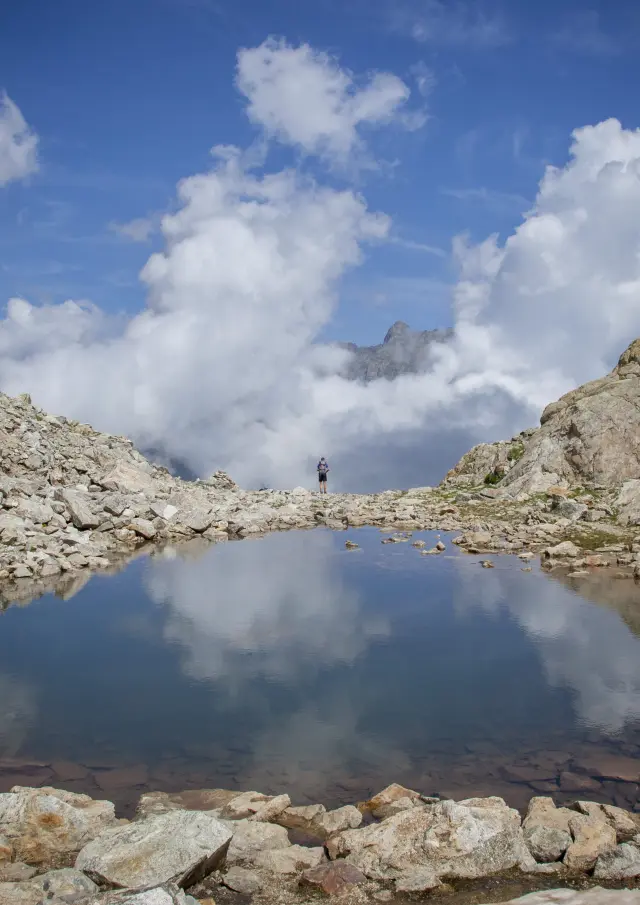
On RivierALP, pastoral areas are an integral part of the landscapes we pass through. Between mountain pastures, valleys and mountains, the herds help to maintain the balance of these living territories and the natural environments. To protect them from predators, guard dogs accompany the shepherds throughout the grazing season.

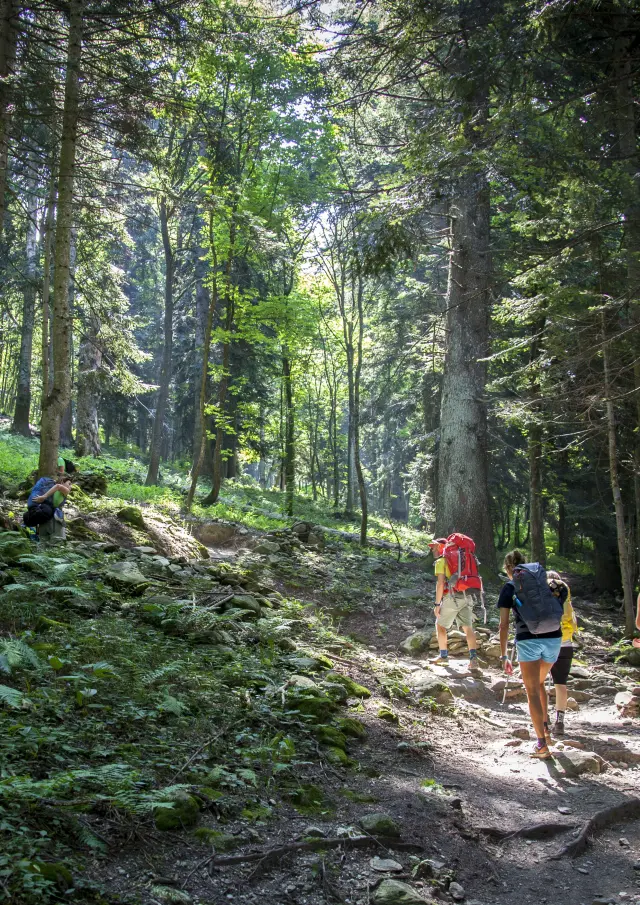
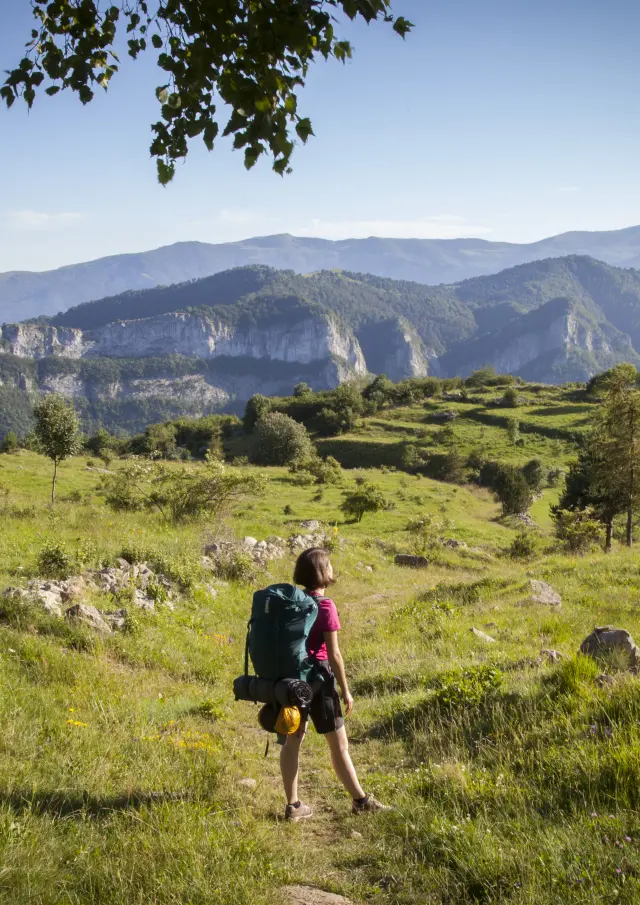
During your tour, you may come across herds and their dogs on the trails. By adopting the right reflexes and adapting your behaviour, you can help to ensure that pastoral activities are carried out in a respectful manner, while enjoying your adventure in complete peace of mind.

Protection dogs: adopting the right reflexes

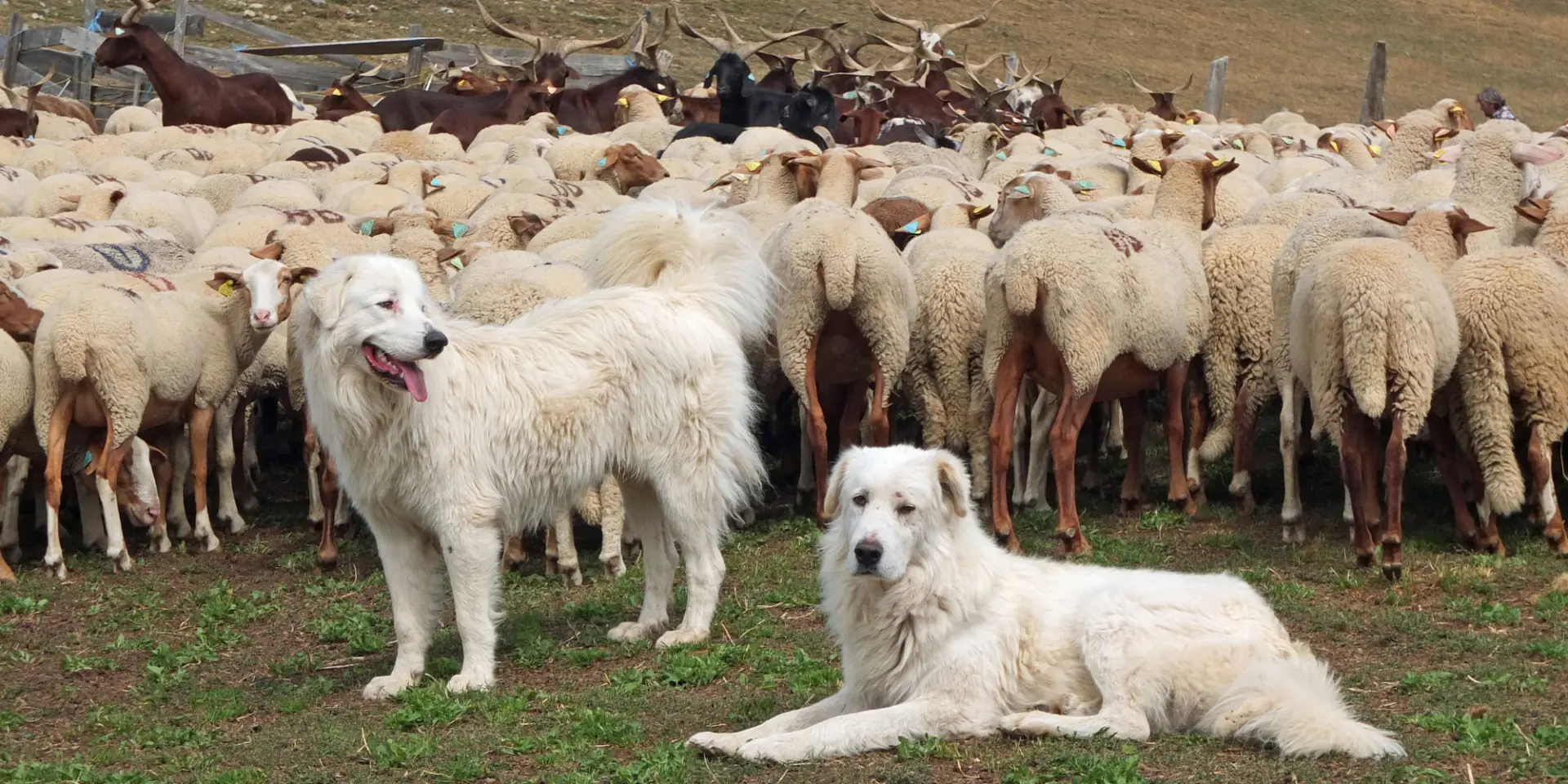
Patous are protection dogs, not attack dogs. They accompany herds to defend them against predators, particularly wolves. Their job is to keep an eye on the animals and make them feel safe. They can therefore be vigilant, even suspicious, of anyone outside the herd. They are essential to the balance of pastoral areas. To facilitate their work and ensure your safety as a mountain biker or hiker, it is important to adapt your behaviour to encourage the best possible cohabitation.
Find out before you set off

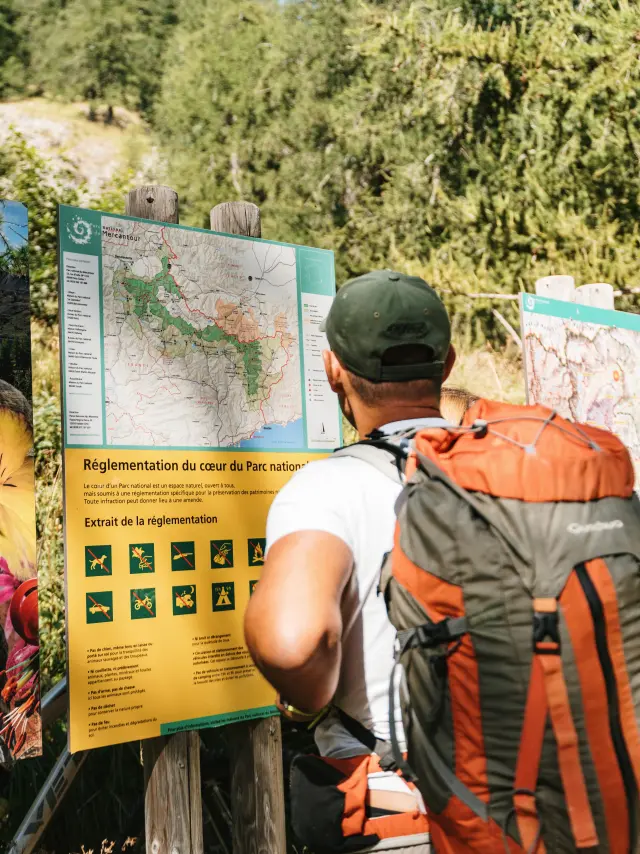
  • Check the signs on the ground: on the paths, signs may indicate the presence of guard dogs and their herds. At the same time, remind people of the rules and gestures to adopt.
  • Use specialised applications and websites (such as WaffApp or Pasto Kézako)to identify grazing areas and the possible presence of guard dogs.
  • Before setting off, contact your local tourist office: they can give you information on grazing periods and the areas concerned.

When you see a herd

  • Slow down and signal your presence (calm voice, sing, short whistle).
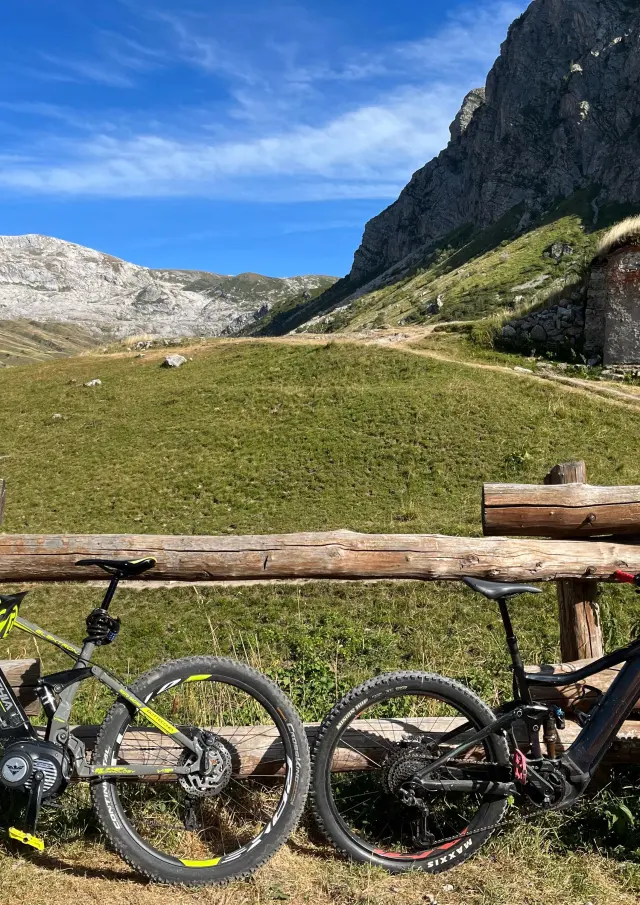
  • On a bike or mountain bike: slow down, dismount and walk forward. Speeding can trigger a chase.
  • Go as far as possible around the herd, without crossing it.
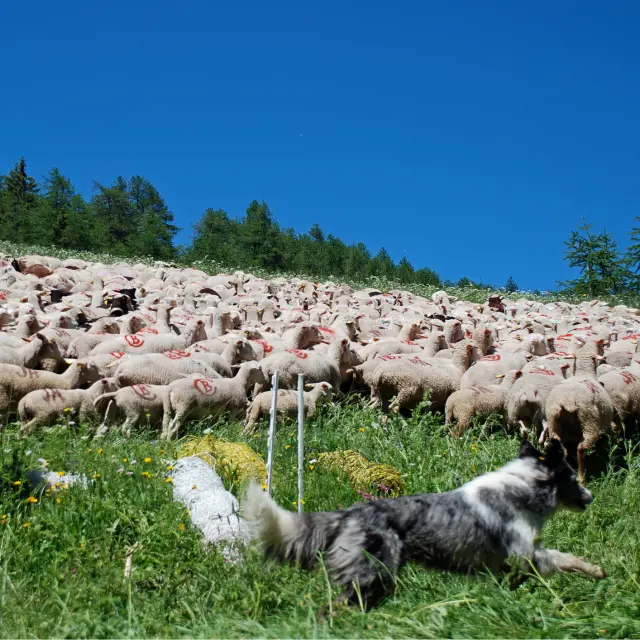
If a dog approaches

Objective: to be perceived as human, without aggression

  • Stop, face the dog, arms and poles at your sides.
  • Avoid direct eye contact and sudden movements.
  • Give him time to observe you. Reassure him: speak calmly, look away…
  • If necessary, remove anything that might impede recognition, such as a cape, hood or cap.
  • If you are worried, calmly place an object (bag, jacket) between you and the dog.
  • As soon as the dog calms down, resume walking slowly, without turning your back suddenly.

If the situation does not calm down :

Don’t insist. Back away slowly, still facing the dog. After a few metres, turn back.

Behaviours to avoid

  • Do not try to become familiar with a guard dog: stroking it or feeding it disrupts its work.
  • Gestures that seem harmless to you (shouting, stroking a lamb, taking a photo with a ewe) can be perceived as a threat.
  • Don’t stare him in the eye and never threaten him with sticks, stones or sudden gestures: this increases his stress and his reaction.
  • Avoid startling him, especially if he is asleep: he may react violently.

Meeting your pet dog

  • In the mountains, keep your dog on a lead.
  • In the event of an encounter, keep your dog and yourself calm.
  • If you sense any tension, it’s best to let go of the lead and leave the dogs to their own devices. The canine codes will have to regulate the situation.
  • Do not hug your dog.
  • Don’ t harness your dog, because once you pull on it, it puts your dog in an attack posture.
  • For the same reason, don’t ask your dog to lie down. It is preferable for him to remain standing or sitting.